When the grid stops, your plan starts.
Independent guidance for natural-gas standby generators—from load sizing and automatic transfer to gas-line capacity, permits, commissioning, and long-term readiness.
Power for homes. Resilience for operations.
A dependable system begins with the loads that matter, not a generator model. Explore the different planning priorities for households and commercial properties.
Five decisions shape a reliable installation.
Priorities
Identify essential, optional, and future loads.
Sizing
Evaluate running demand and motor starting.
Fuel
Verify gas pressure, volume, meter, and piping.
Transfer
Coordinate isolation, switching, and load management.
Approval
Complete permits, inspections, and commissioning.
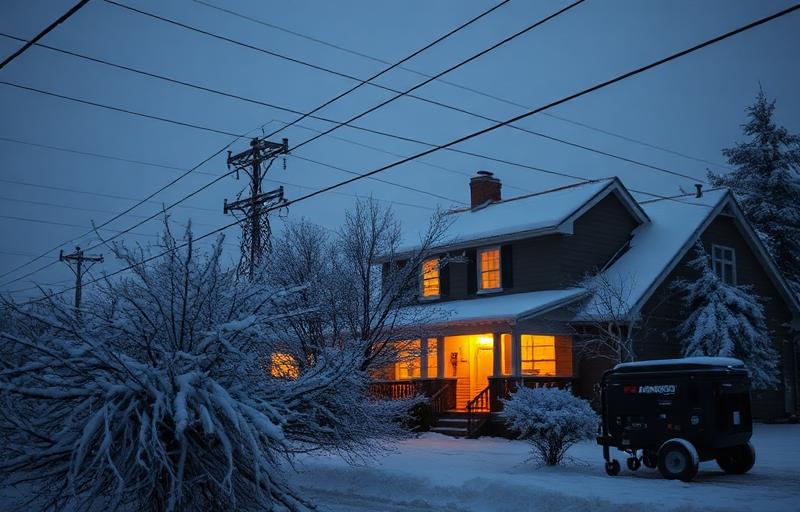
Winter changes the design brief.
Canadian installations need deliberate attention to cold-start performance, snow and ice, exhaust clearances, drainage, enclosure access, and fuel reliability.
- Maintain manufacturer-required clearances and airflow
- Keep snow, drifting, flooding, and roof runoff in mind
- Protect service access in difficult weather
- Test transfer and document seasonal maintenance
Turn outage priorities into a project brief.
Start the conversationHave a plan for cold-weather outages.
Choose the essentials you want to keep running and ask BeeWarm about your generator project.
Read the winter backup-power guidePlanning in the Lower Mainland?
Read the local generator guides and contact BeeWarm directly about your gas-supply assessment and project scope.
Find your city & BeeWarm contactSee the generators. Plan the supply.
Explore 15 Cat gas-generator models with official product views, a gas-supply checklist and contractor-finding resources.