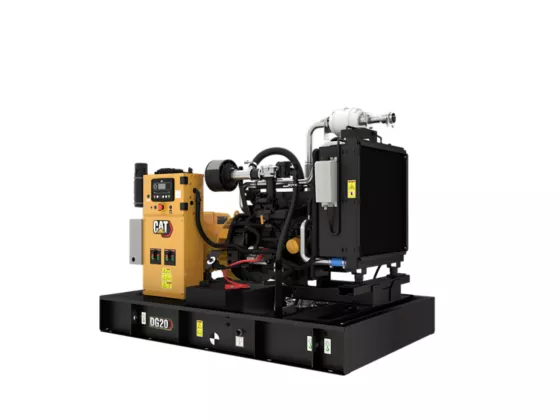
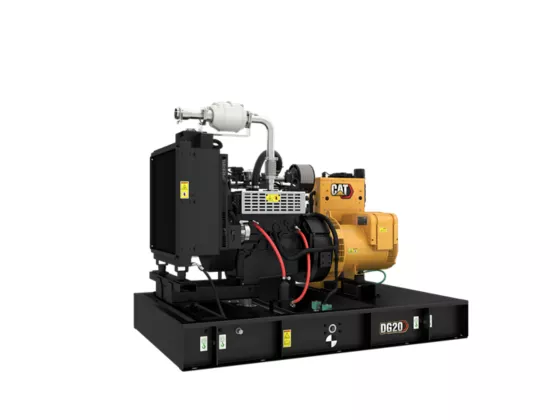
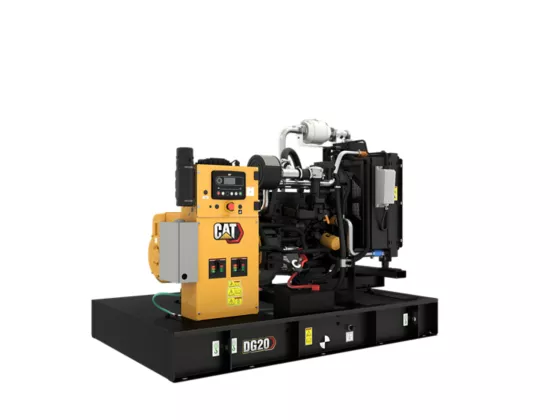
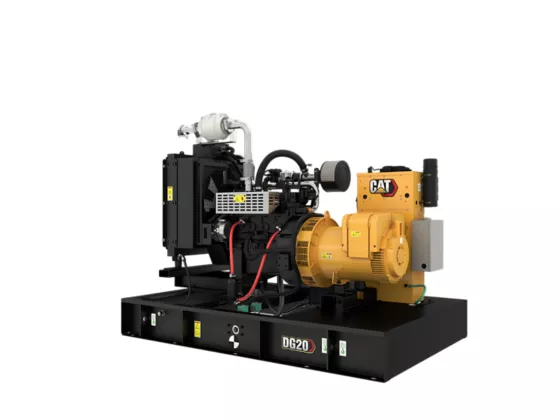
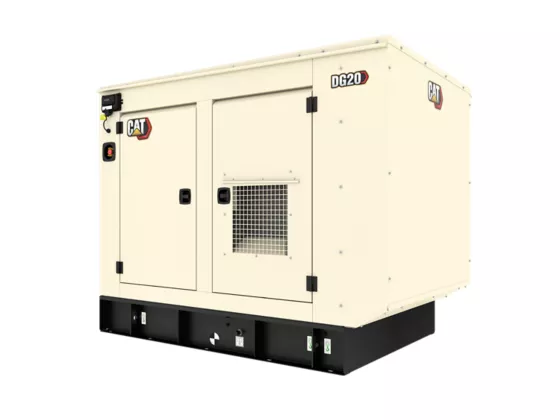
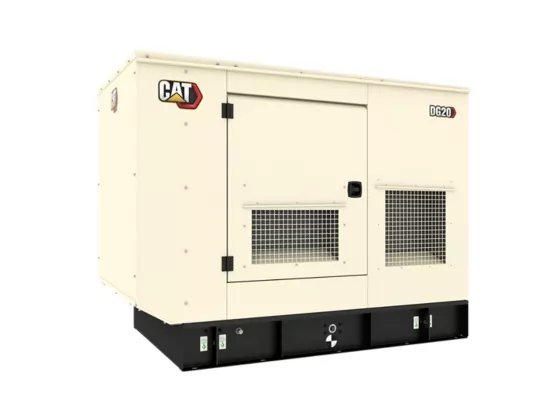
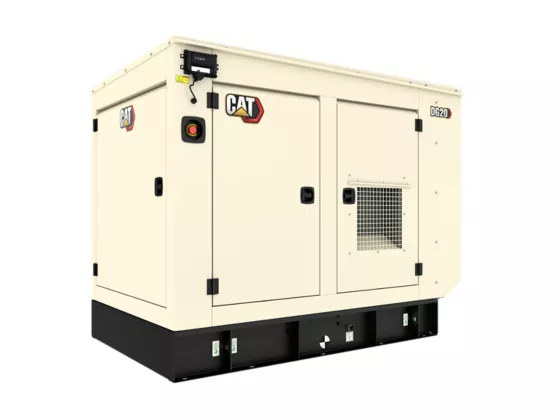
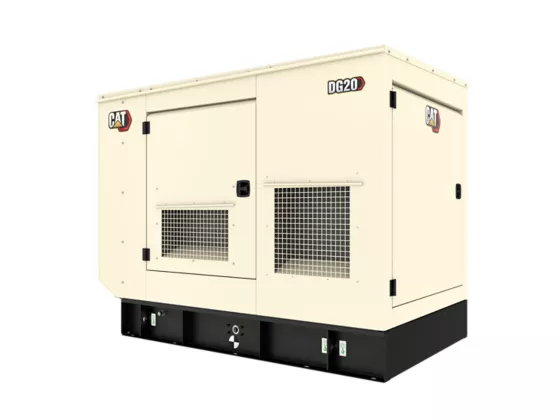
8 official views · Scroll across to compare configurations.
Home / Guides / Cat gas generators
Explore Cat gas generators, understand what your property needs, and arrive at an installer conversation with the right questions.
Build your assessment checklist ↓Canadian planning guide · British Columbia utility examples · Published October 7, 2026
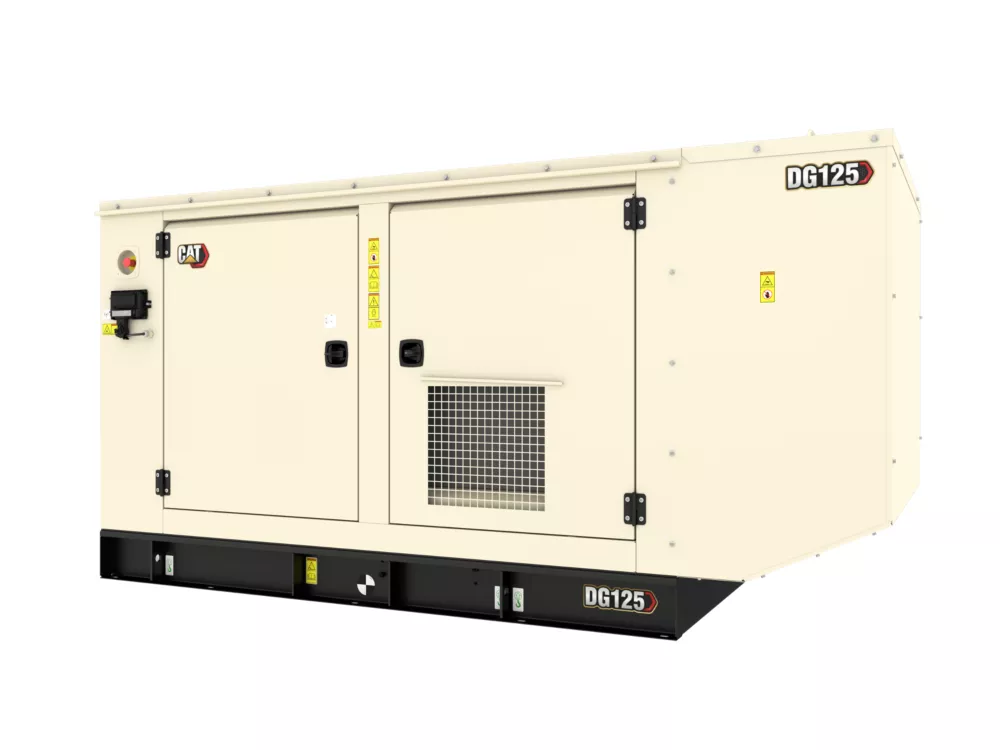
Start with an outage plan. A property's full electrical service and its essential backup loads can be very different. Your electrician and equipment supplier should turn that plan into a documented load assessment.
For a strata or multi-family building, separate common-property loads from individual suites. Elevators, fire protection and other critical systems need appropriate specialist design; do not assume an ordinary standby package satisfies every building requirement.
Caterpillar's February 2023 announcement introduced a 20–200 kW family. This is an evergreen planning guide, not a new-product announcement. Browse the official galleries below, then confirm the current regional specification, fuel, phase and duty rating with the dealer.
Model names are not a guarantee of output in every configuration. Images can represent different enclosures or arrangements. Official product-page specifications and linked PDFs can differ by region.
8 official views · Scroll across to compare configurations.
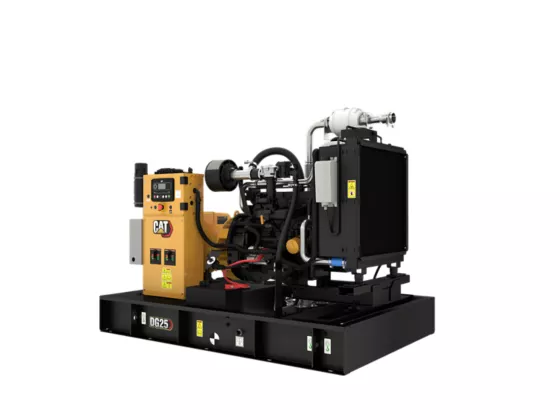
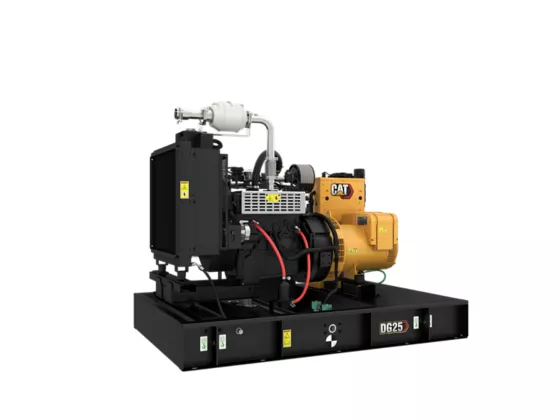
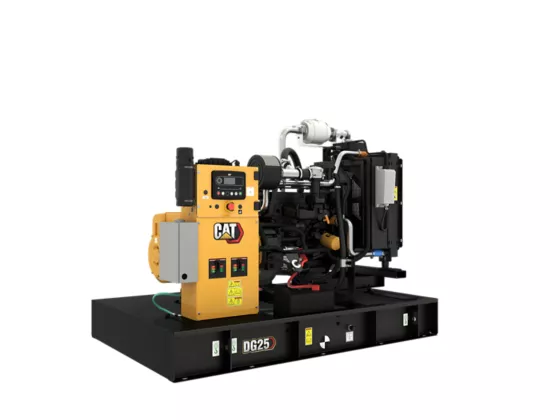
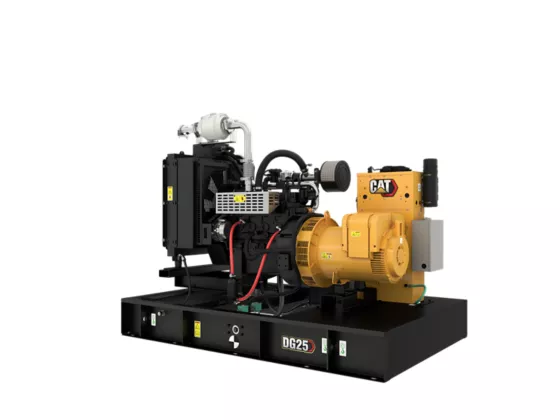
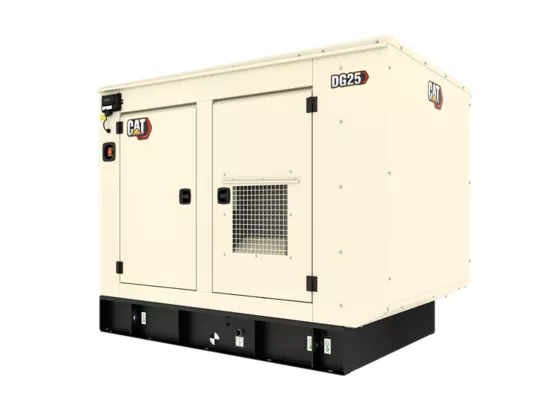
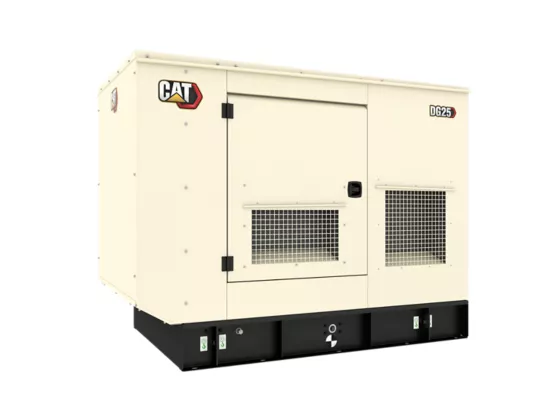
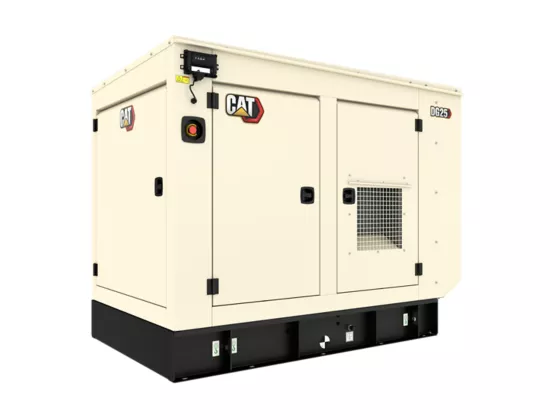
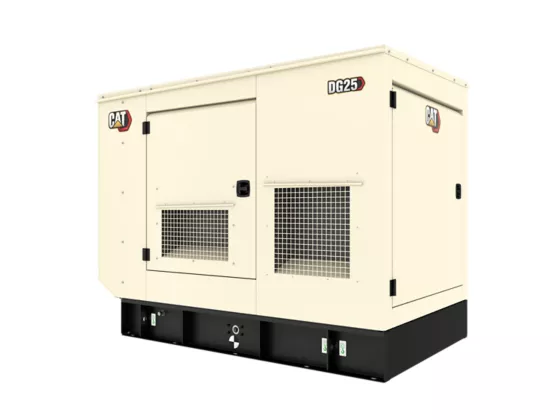
8 official views · Scroll across to compare configurations.
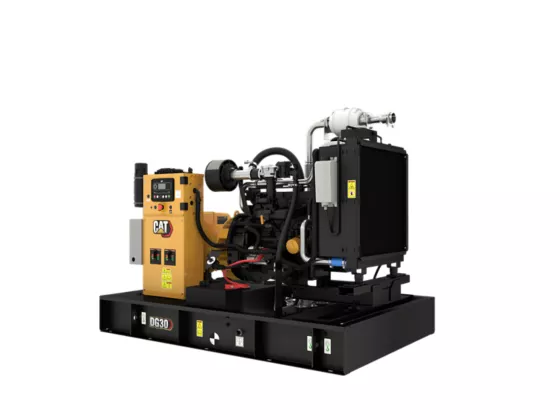
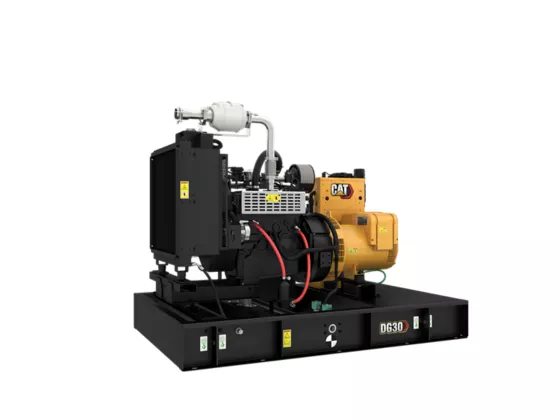
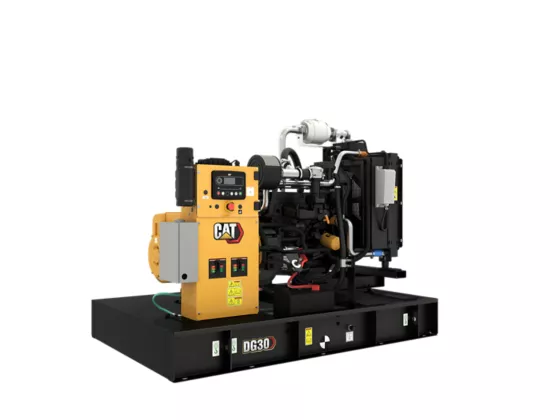
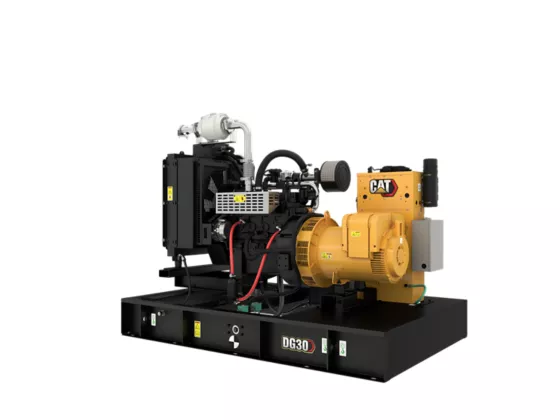
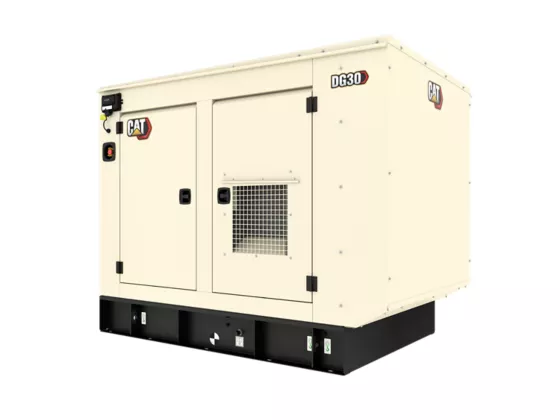
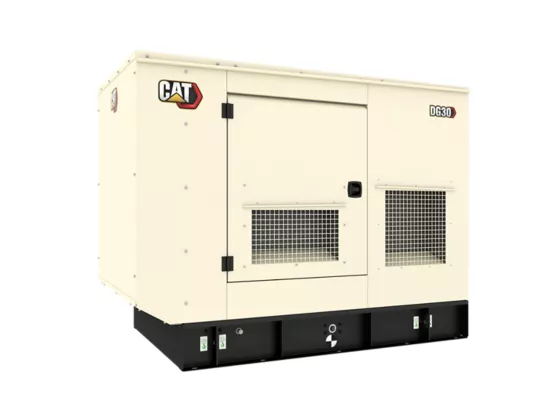
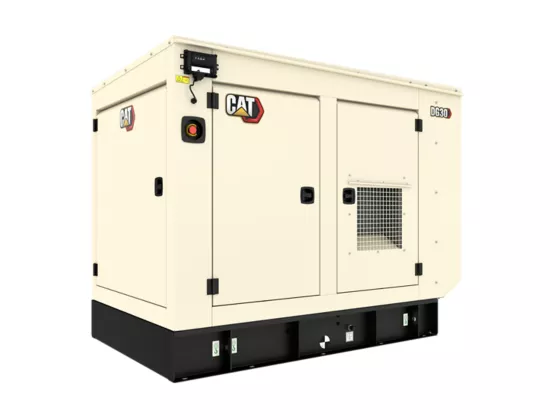
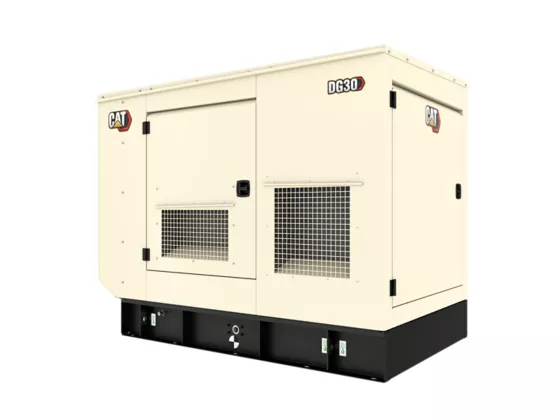
8 official views · Scroll across to compare configurations.
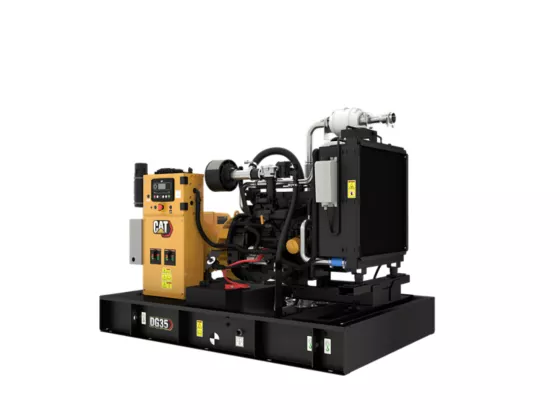
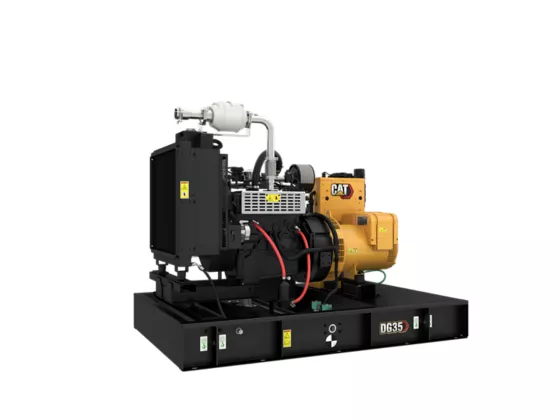
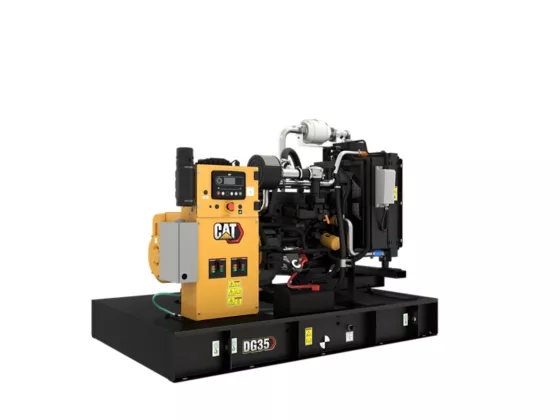
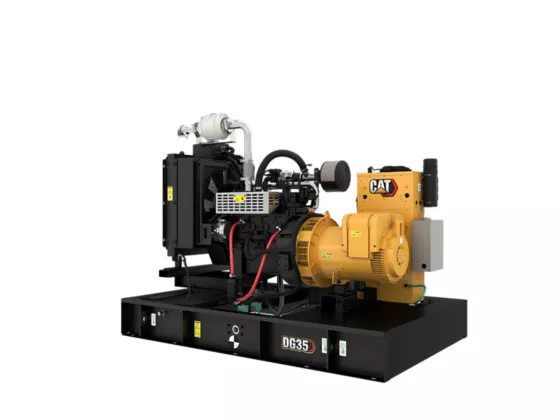
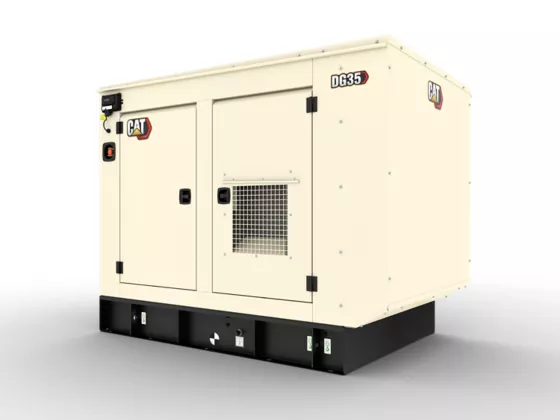
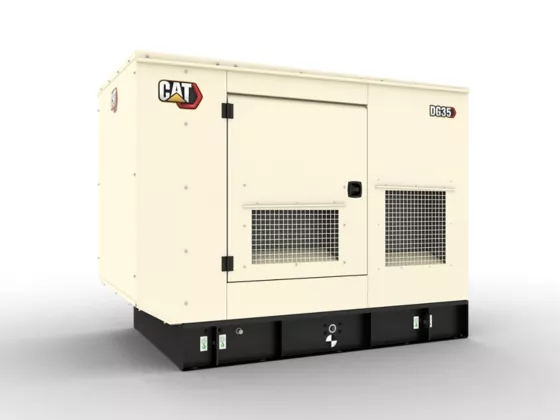
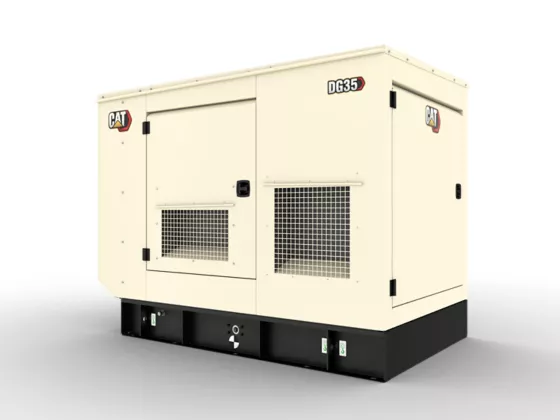
7 official views · Scroll across to compare configurations.
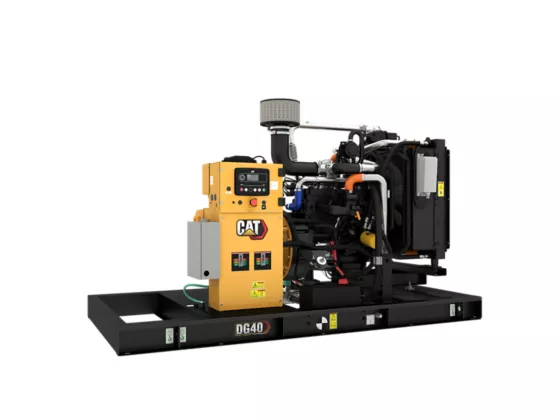
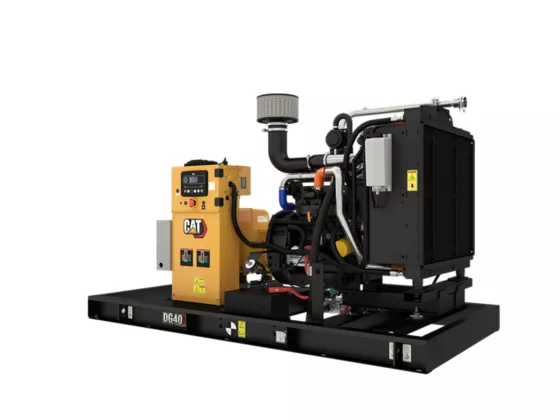
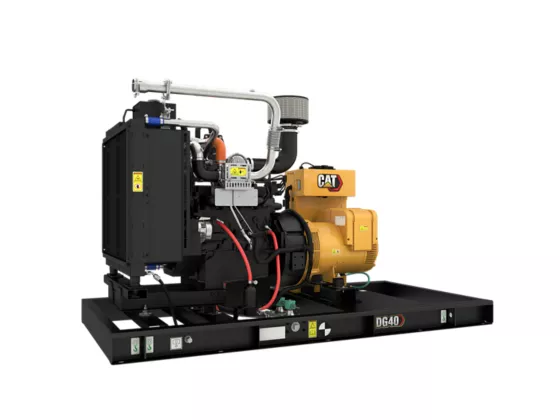
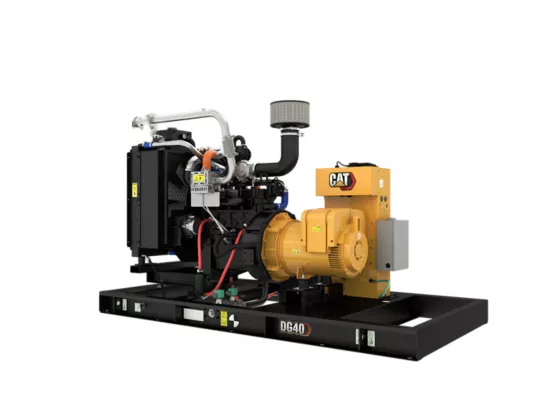
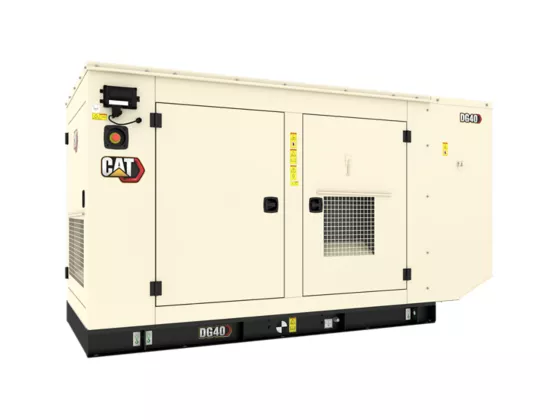
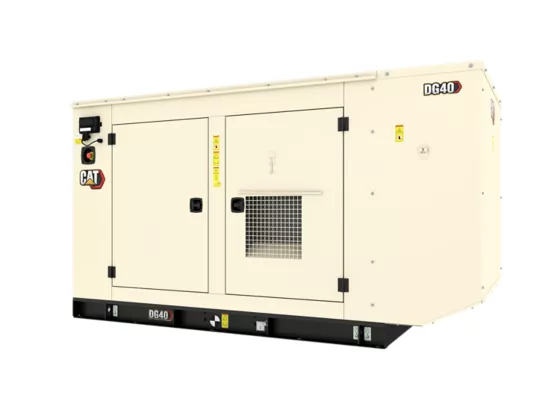
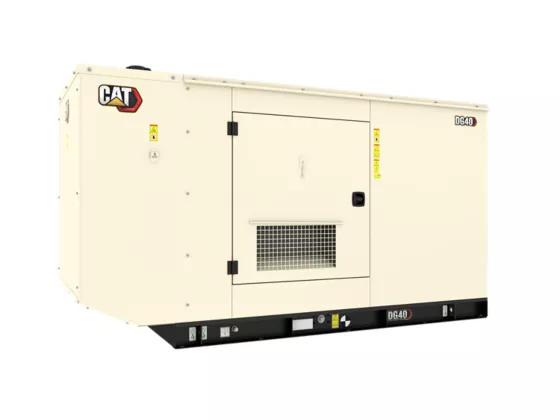
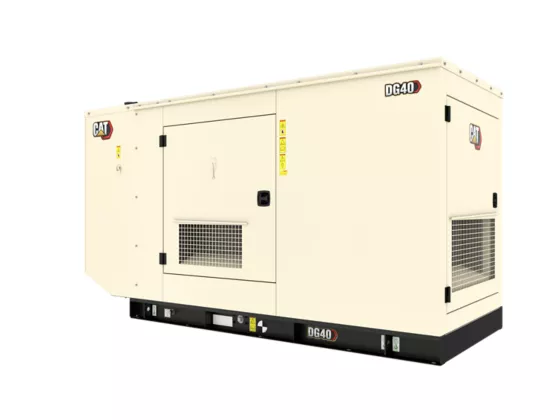
8 official views · Scroll across to compare configurations.
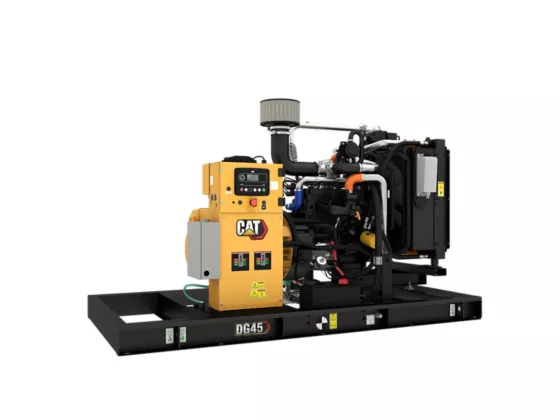
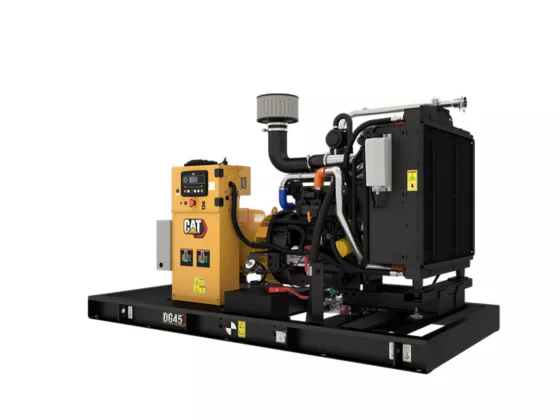
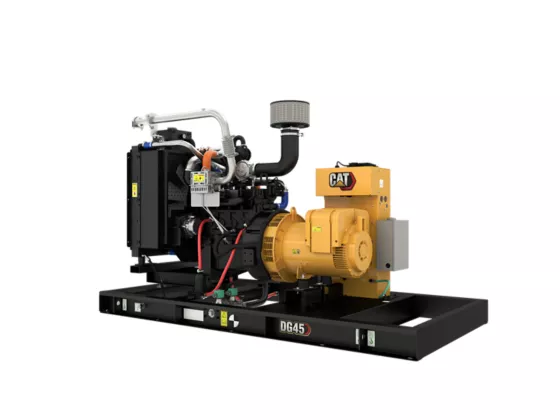
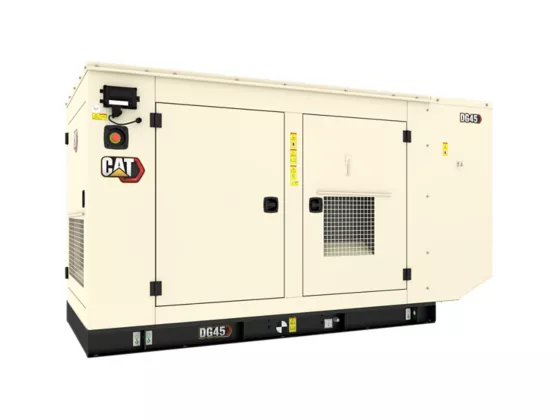
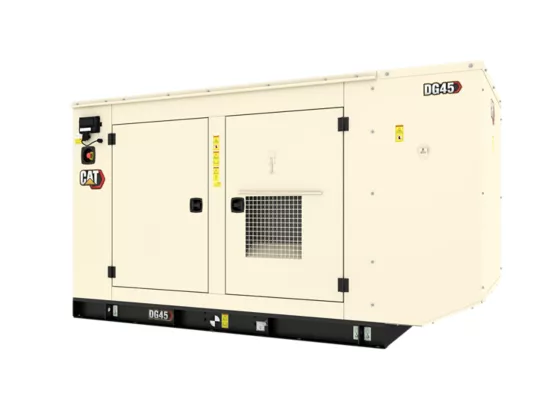
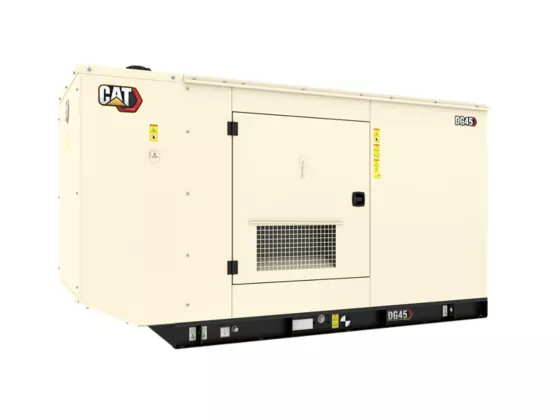
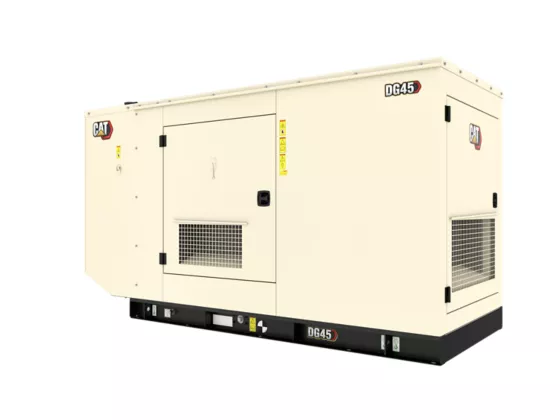
7 official views · Scroll across to compare configurations.
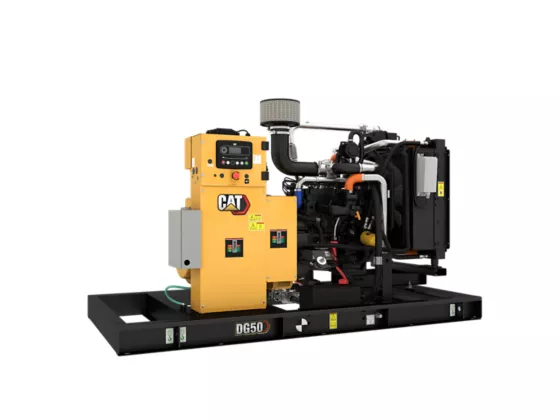
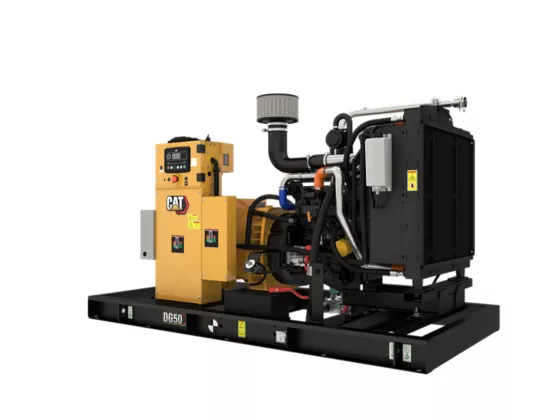
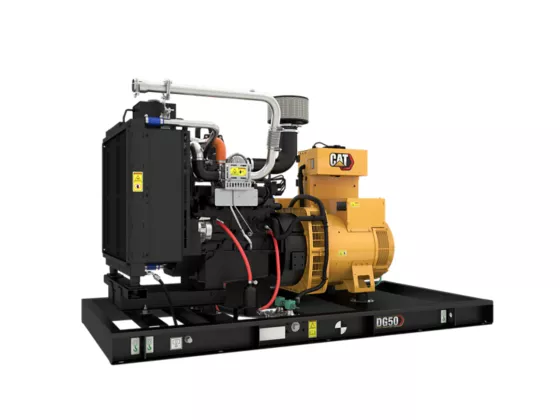
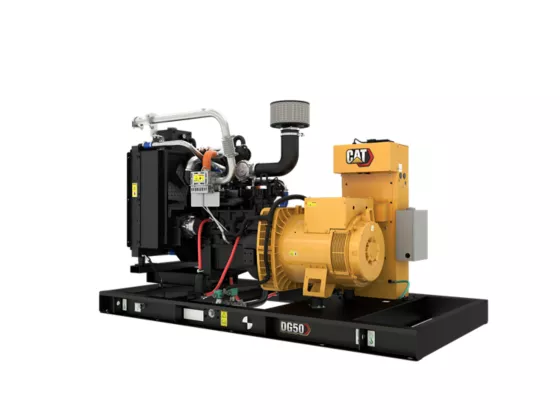
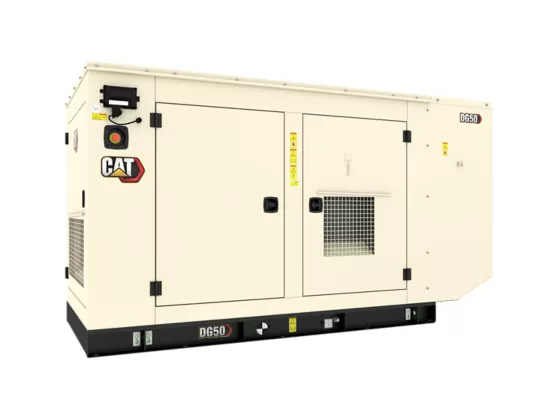
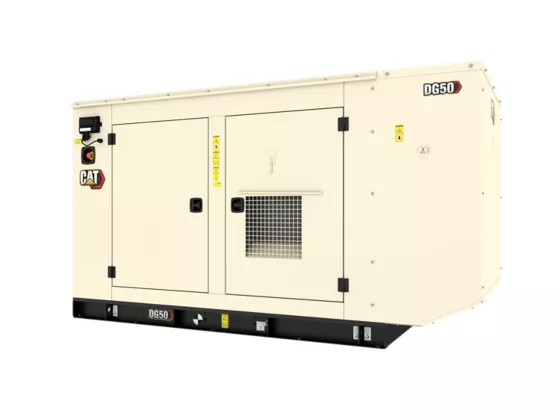
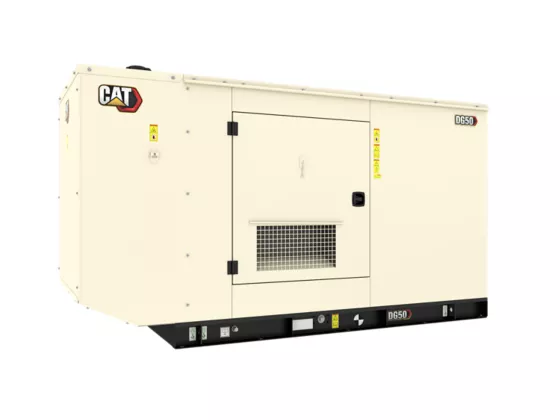
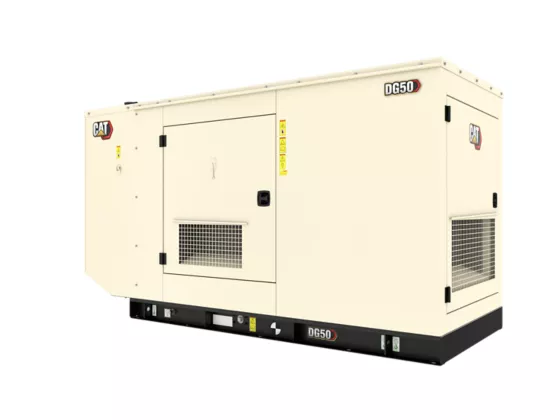
8 official views · Scroll across to compare configurations.
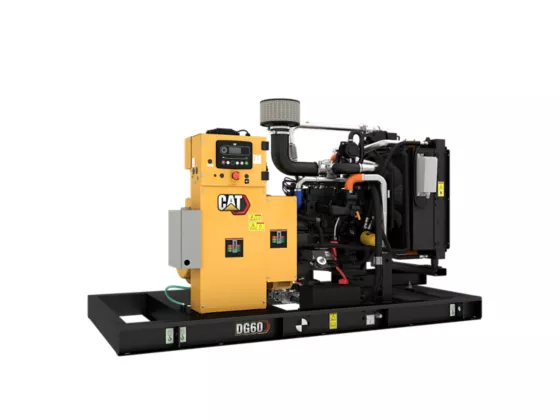
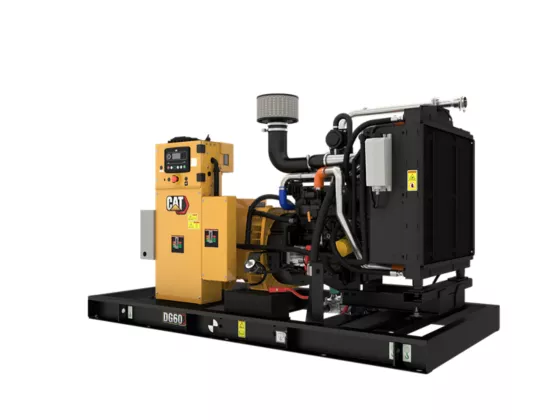
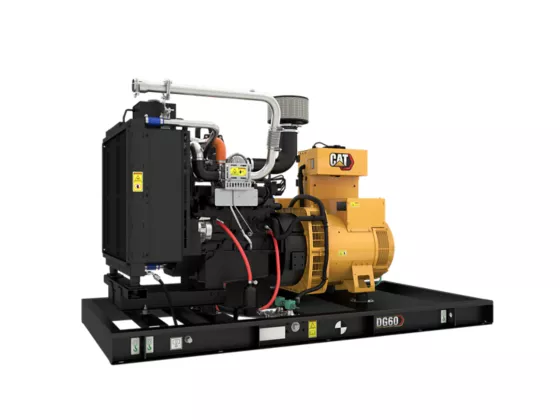
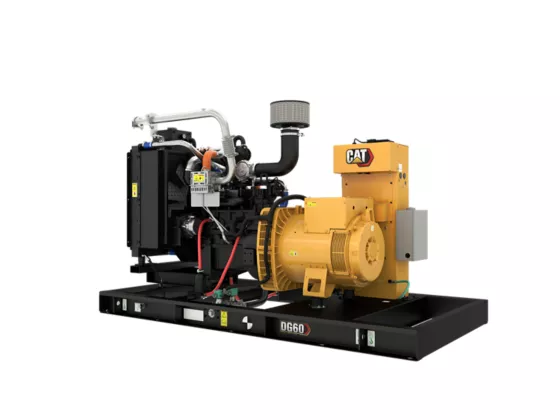
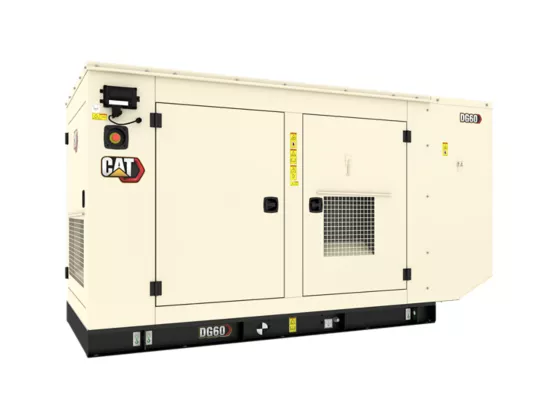
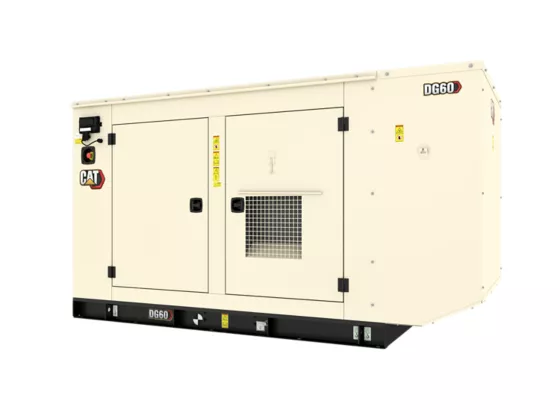
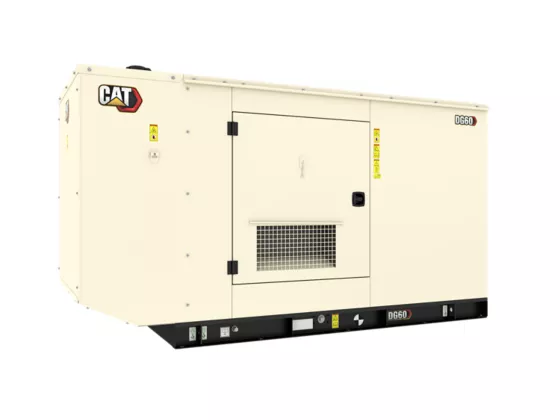
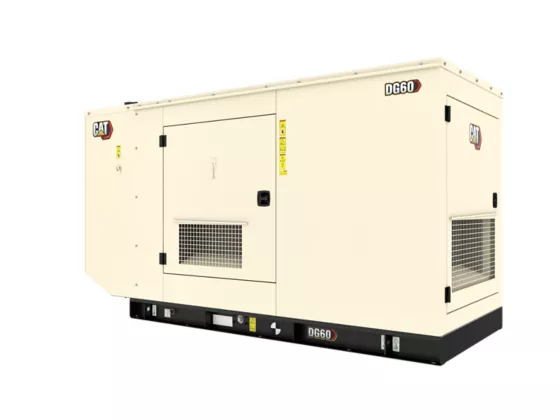
8 official views · Scroll across to compare configurations.
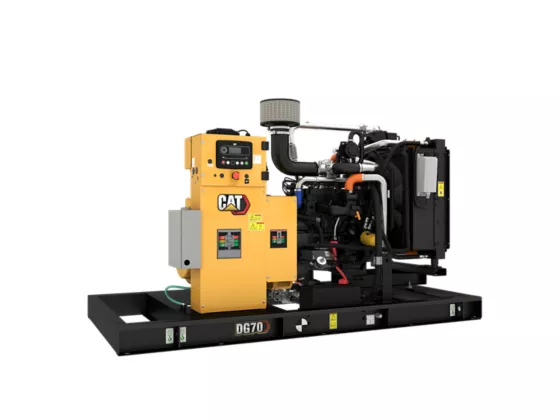
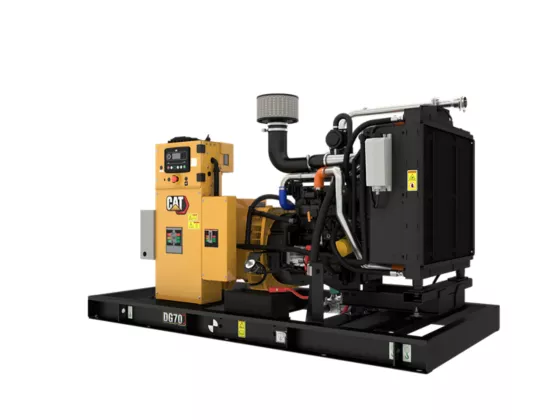
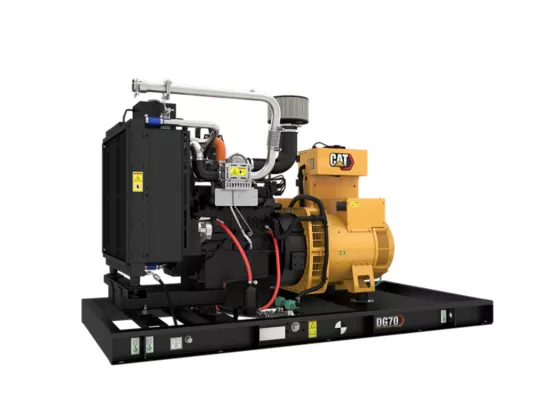
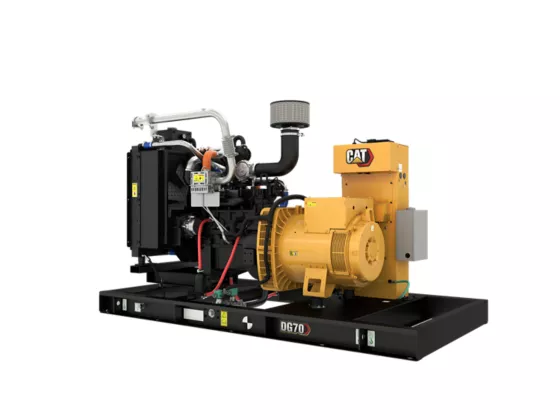
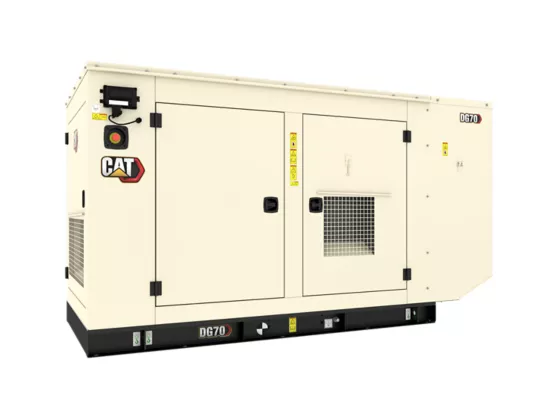
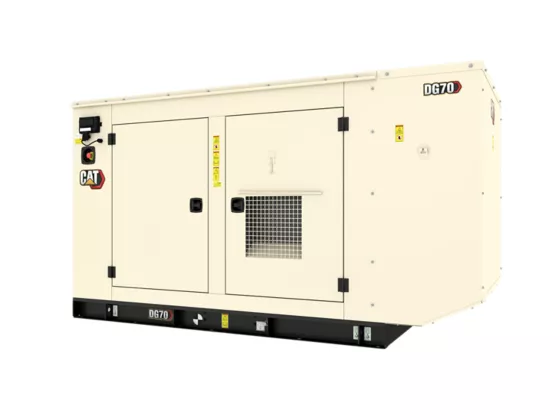
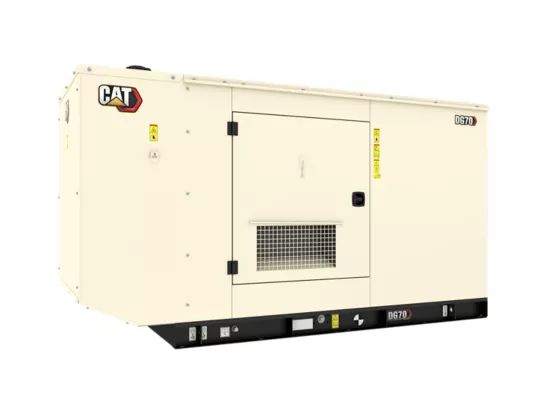
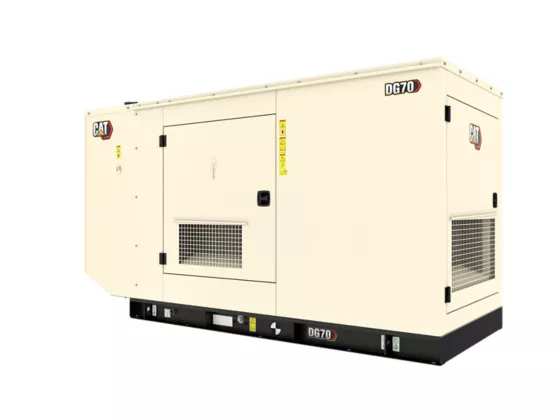
8 official views · Scroll across to compare configurations.
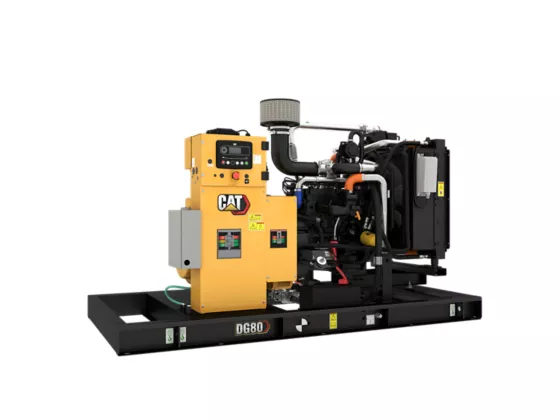
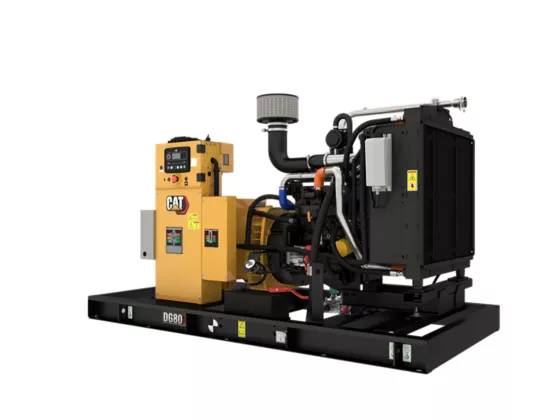
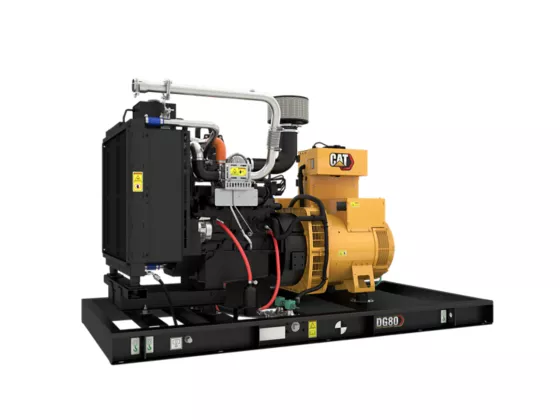
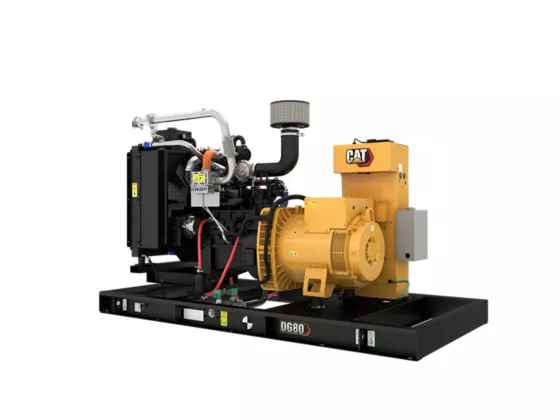
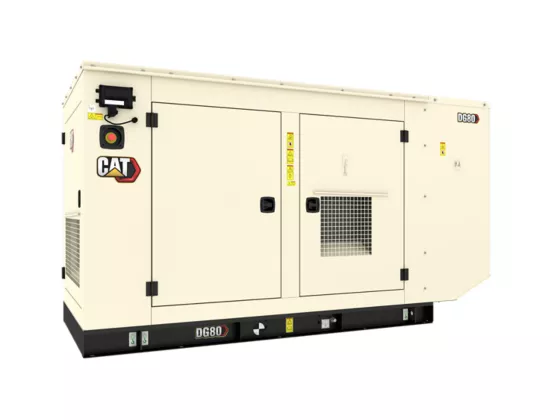
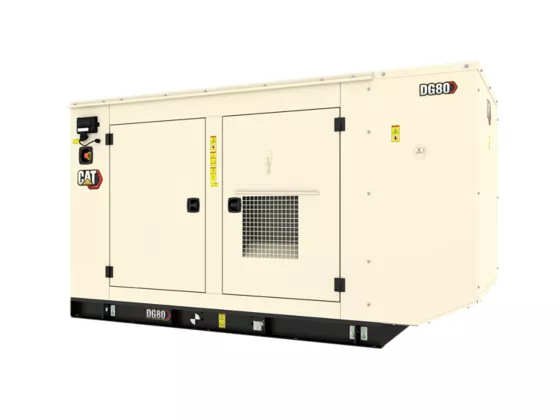
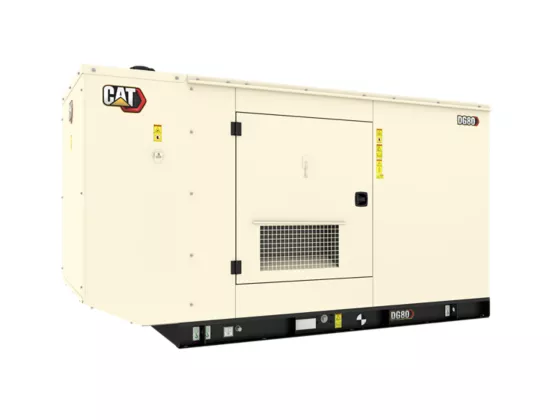
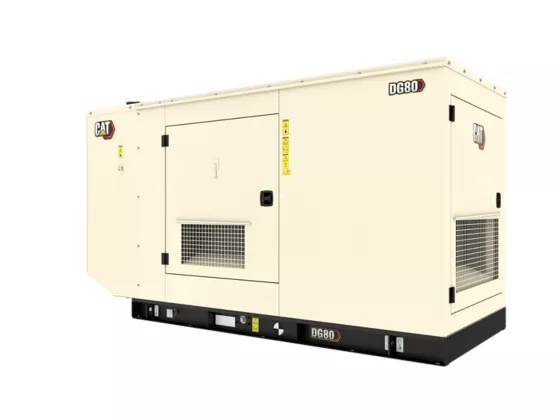
8 official views · Scroll across to compare configurations.
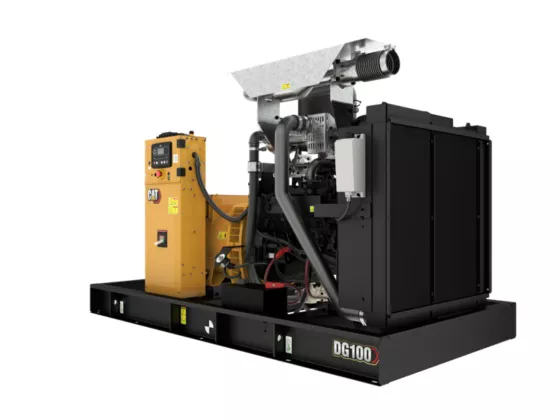
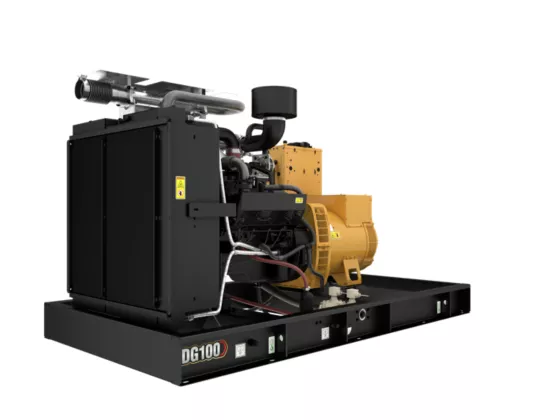
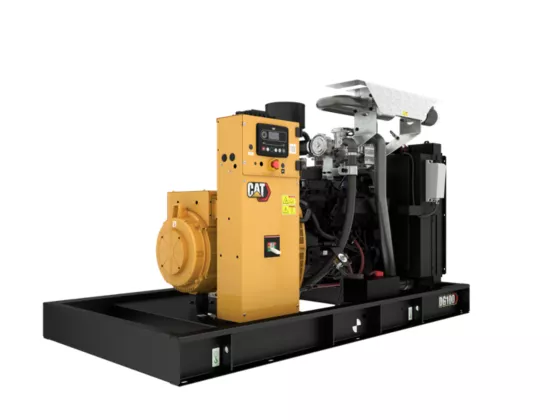
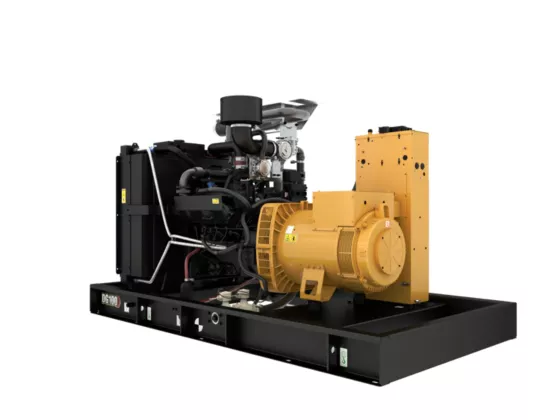
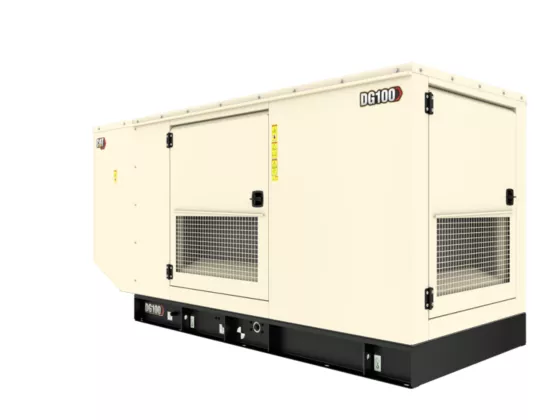
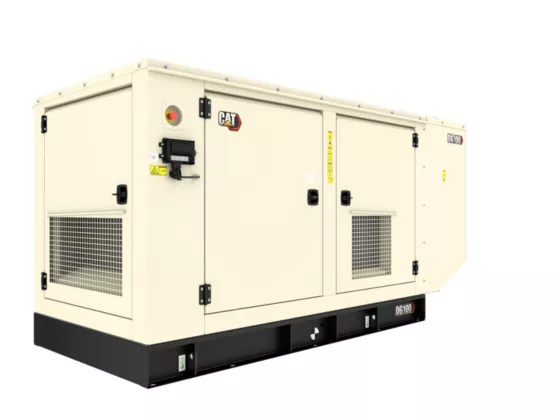
6 official views · Scroll across to compare configurations.
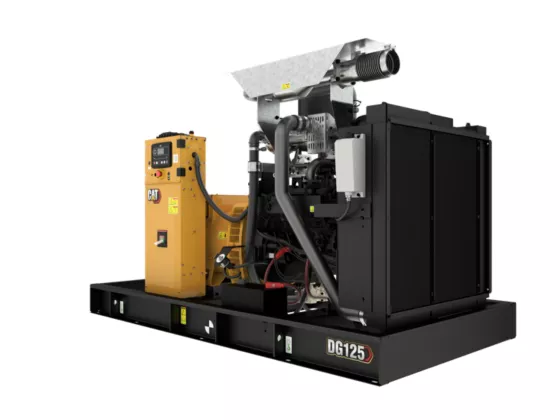
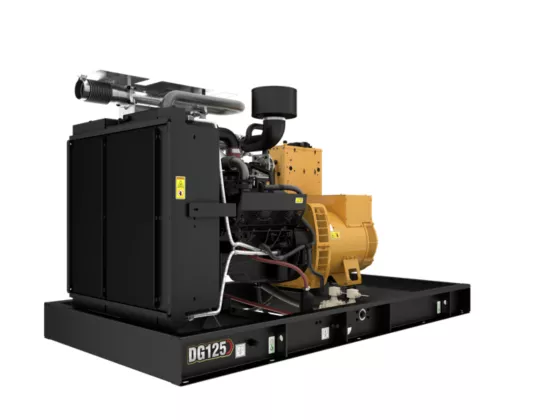
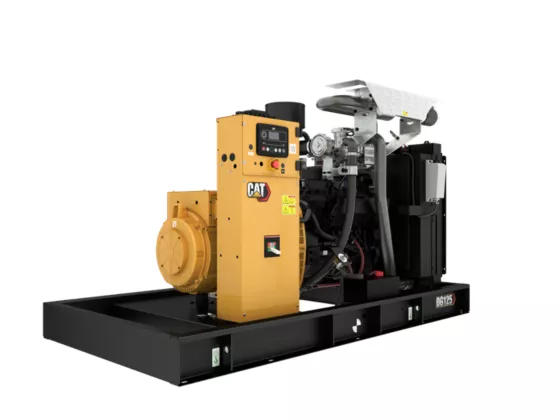
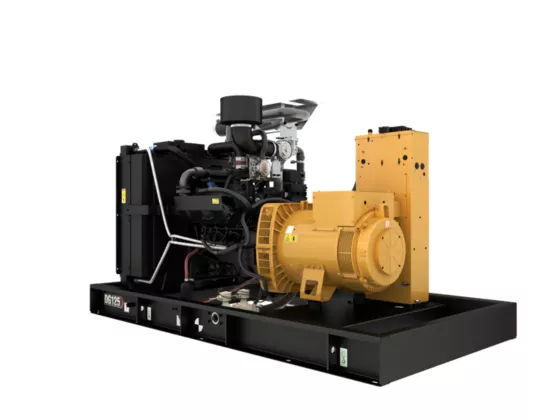
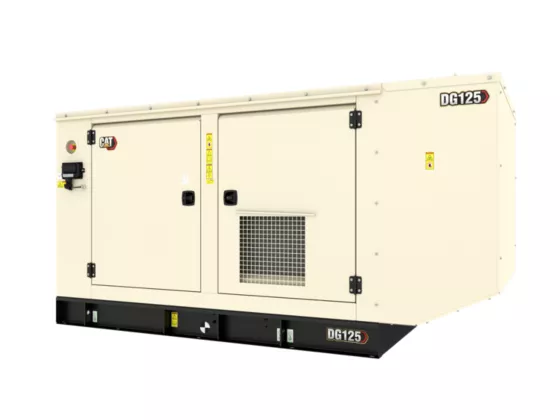
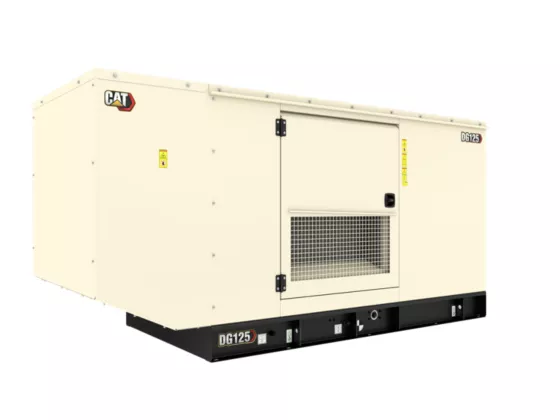
6 official views · Scroll across to compare configurations.
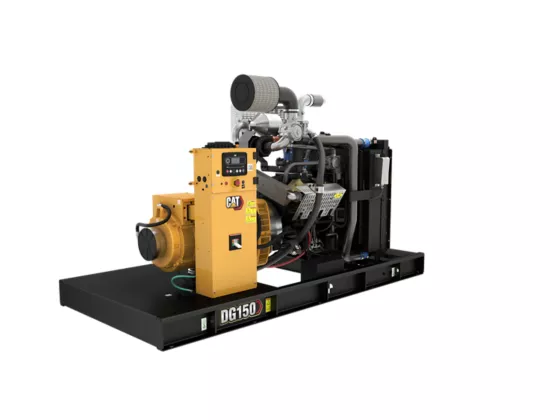
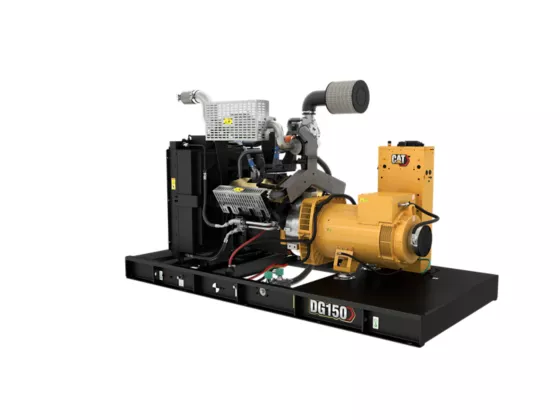
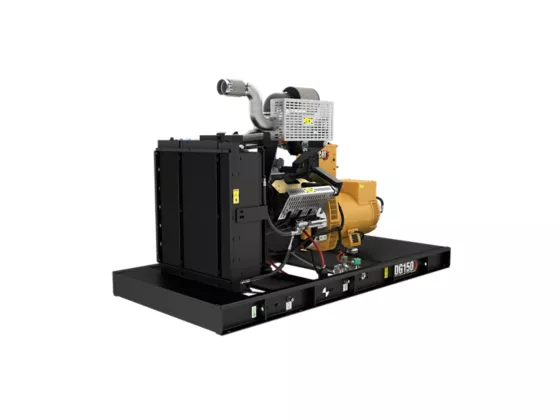
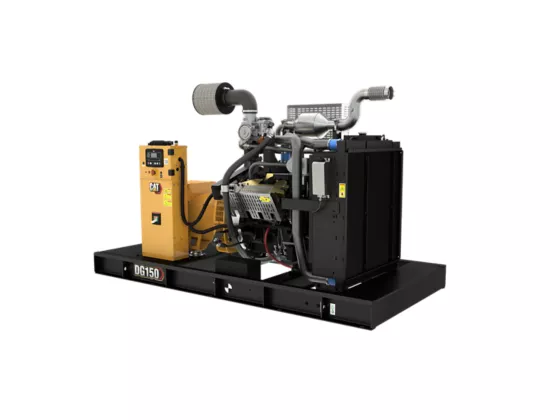
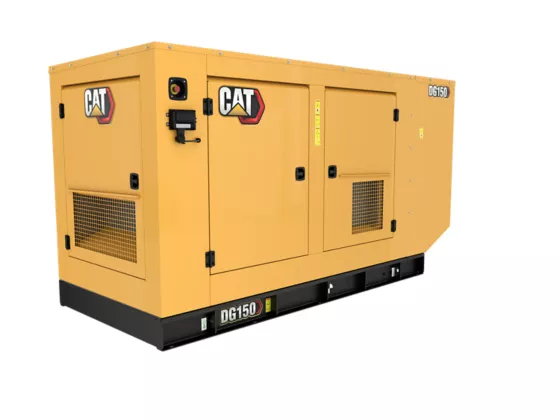
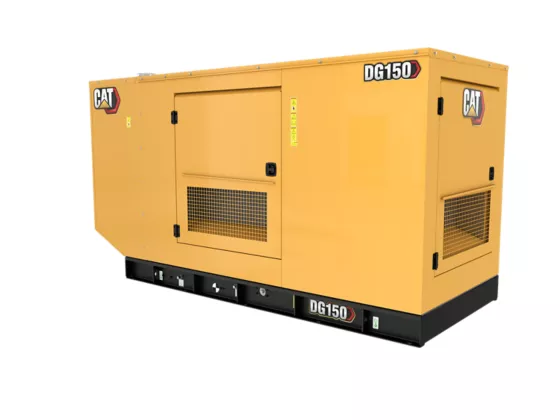
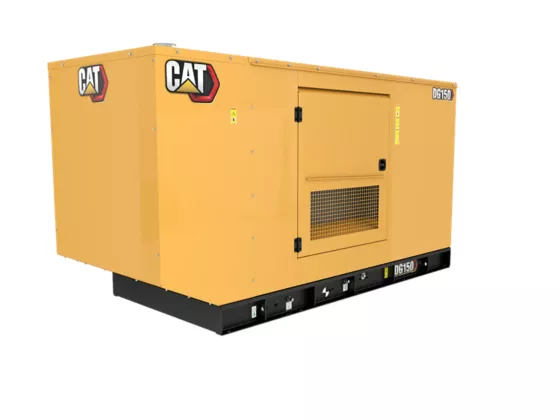
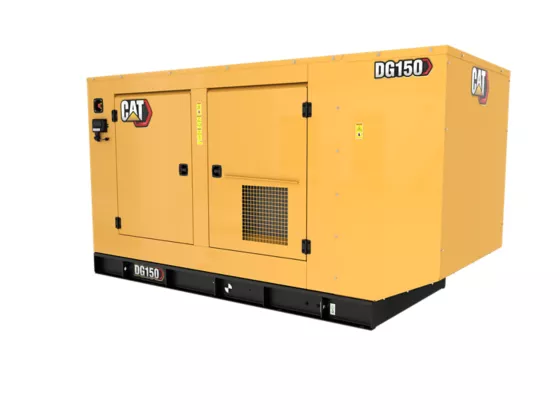
8 official views · Scroll across to compare configurations.
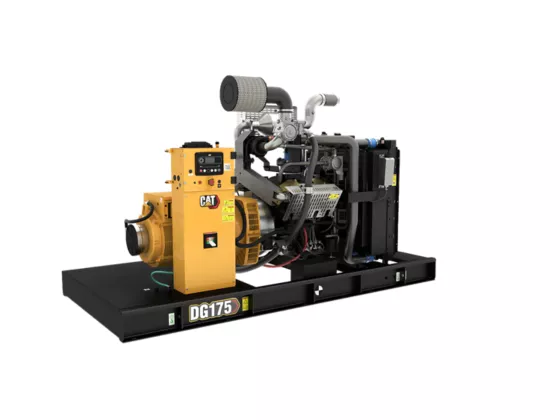
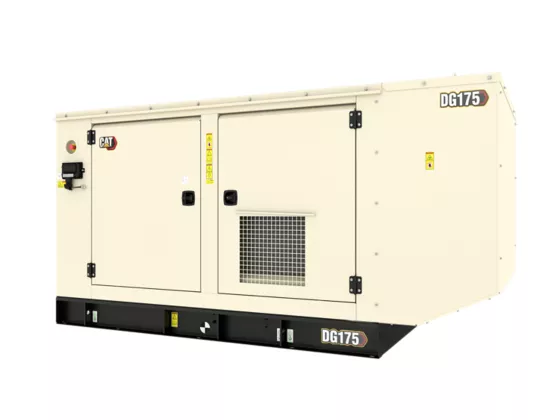
2 official views · Scroll across to compare configurations.
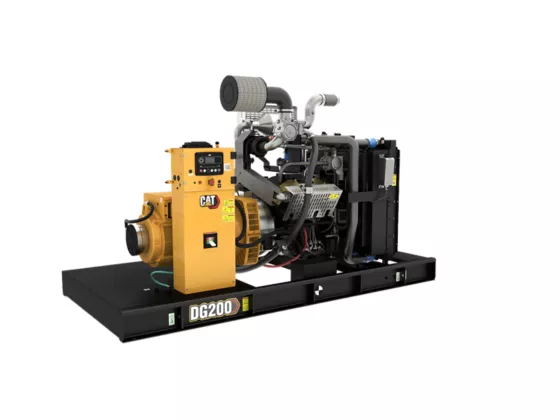
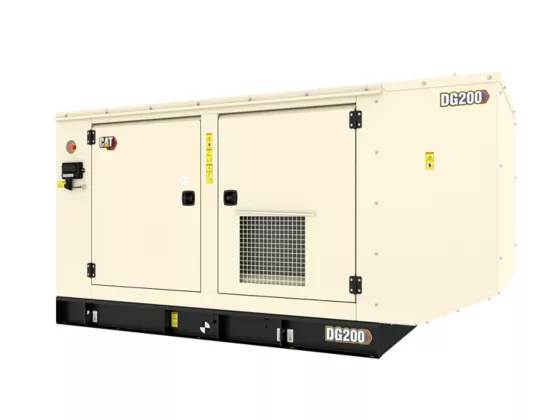
2 official views · Scroll across to compare configurations.
Product images are referenced from Caterpillar’s official galleries and linked to their source. Confirm the exact arrangement and regional specifications with the supplier.
A meter label is only part of the answer. The assessment must connect the generator's documented fuel demand and required inlet pressure to the utility service, regulator, meter and downstream piping—while accounting for other appliances.
Bring a sketch of the actual piping route, including vertical sections and branches to other appliances. The straight-line distance across the yard is not the piping length. Your gas fitter determines the applicable sizing method, governing run, fitting allowances, pressure zones and load carried by each segment.
Do not choose a pipe diameter from distance alone. Pipe material, operating pressure, allowable pressure drop and connected demand all affect capacity. Generator electrical output in kW is also not the same as fuel input: use the manufacturer's consumption data for the selected fuel and operating condition.
Ask the contractor to document pressure under the relevant operating load, not just an idle reading. If additional supply is needed, coordinate the meter or service assessment before ordering equipment. FortisBC explains its gas-service upgrade process ↗
Check the items you can gather for a site visit. This checklist stays in your browser; nothing is submitted.
Photograph visible labels without removing covers or adjusting gas equipment. Measurements here support a professional assessment; they are not an installation design.
Use your city or postal code to find a Cat dealer, then check the licensing and scope of the trades doing the installation. Ask who takes responsibility for the complete project.
Confirm regional availability, the exact configuration, installation documents, commissioning, warranty and service coverage.
Find a Cat dealer ↗Check the licence, relevant scope and generator experience. Ask for a documented gas-load and piping assessment.
Check a BC contractor ↗Coordinate load calculations, transfer equipment, grounding, permits and commissioning with the gas contractor and supplier.
Check permit responsibilities ↗Equipment and enclosure; pad and access; gas service changes; piping; electrical work and transfer equipment; approvals; startup and testing; scheduled maintenance; and responsibility for resolving any capacity shortfall. Confirm local siting, exhaust, noise and access requirements for the proposed location.
NaturalGasGenerators.ca is an independent information and project-inquiry resource. Contractor availability must be confirmed; these links do not represent a verified local roster. Outside BC, check the applicable provincial or territorial licensing authority.
Floor area alone does not identify the loads or starting demands. Build the selection around equipment, voltage, phase, outage priorities and operating conditions.
Not necessarily. The utility service, regulator and downstream piping must also support the required flow and pressure. Ask for the complete supply assessment.
A project coordinator may arrange the entire job, but verify who performs each regulated scope and who provides equipment commissioning and warranty support.
No. Confirm the manufacturer's rating, operating limits and applicable approval for the intended use. Emergency standby, demand response and prime operation are different applications.
Generator sizing · Automatic transfer switches · Installation planning · All guides
Request a project-planning conversation →
Include your city or postal code, property type, outage priorities and known service details. Contact: colin@gasfitter.ca.
Read the local generator guides and contact BeeWarm directly about your gas-supply assessment and project scope.
Find your city & BeeWarm contact